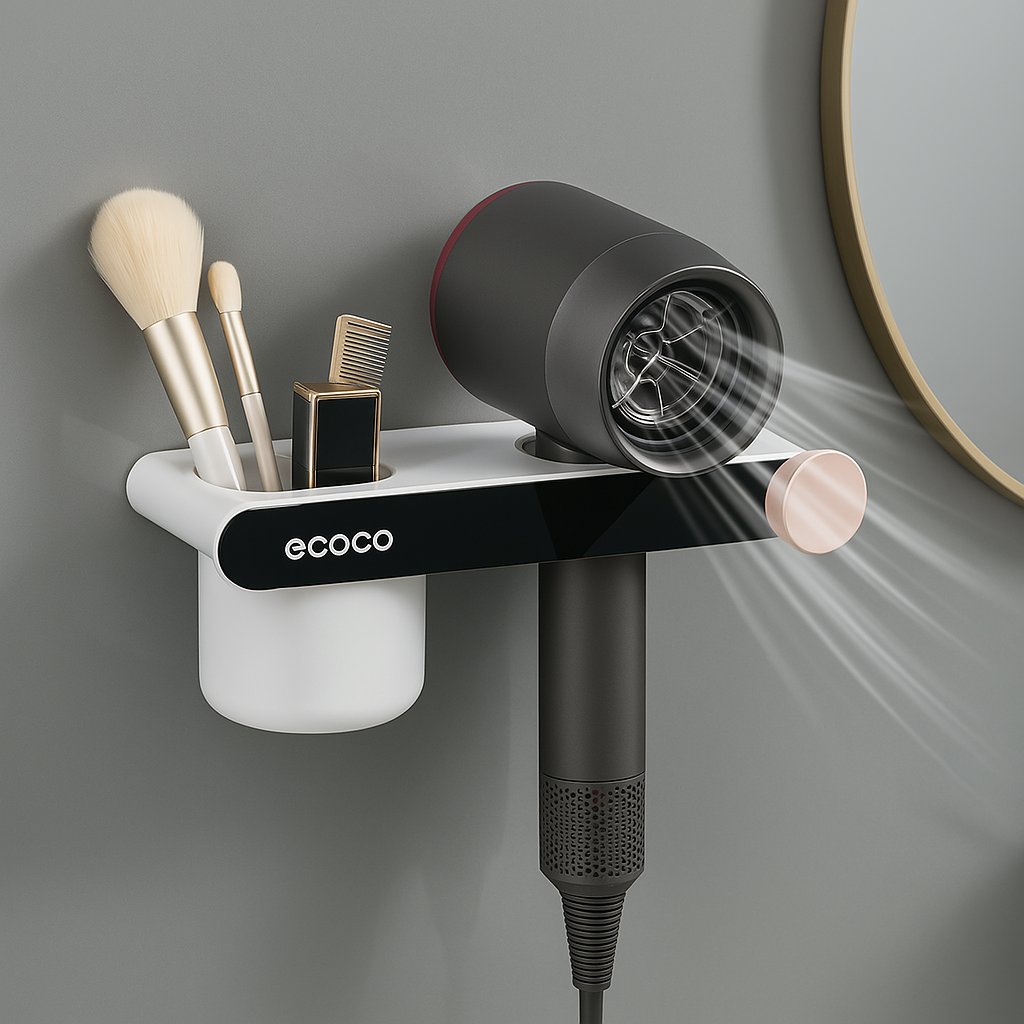

Adhesive Bathroom Accessories vs Drilled Accessories: Which Is Better?
Adhesive vs. Drilled Accessories
When choosing wall accessories for your toilet, one of the most common decisions people face is whether to go with adhesive-mounted options or drilled fixtures. Both approaches are widely used, and each has its place depending on space, usage needs, and long-term preferences.
For apartment dwellers, renters, and even homeowners who want a clean, modern setup without wall damage, this choice can directly affect both functionality and satisfaction over time. Understanding how these two options compare helps ensure your bathroom accessories support daily use without unnecessary limitations.
In this comparison, we’ll look at the real differences between adhesive and drilled bathroom accessories so you can choose what works best for your space and lifestyle.
Adhesive Bathroom Wall Accessories
Adhesive bathroom accessories are mounted using high-strength bonding systems rather than screws or drilling. Modern adhesive technology allows these accessories to securely hold everyday bathroom items, including heavier products, while remaining firmly in place during daily use.
One of the key advantages of adhesive accessories is that they combine strength with wall protection. They provide a reliable, long-term storage solution while keeping tiles and surfaces intact, which is especially valuable in apartments, rental homes, or bathrooms with delicate finishes.
Benefits of adhesive bathroom accessories include:
- Strong load-bearing capacity for daily bathroom essentials
- No drilling, screws, or permanent wall damage
- Clean installation that preserves tiles and wall surfaces
- Easy replacement or repositioning when reorganising your bathroom
Ideal for expanding or upgrading storage without repairs
Because adhesive accessories are both durable and adaptable, many people continue using them as they add new organisers or update their bathroom layout over time.

Drilled Bathroom Wall Accessories
Drilled bathroom accessories are installed using screws and anchors, creating a fixed and permanent setup. This approach has traditionally been used for bathroom fittings that are intended to stay in one place long-term.
Drilled accessories are often chosen for:
- Fully permanent bathroom layouts
- Very high weight requirements
- Homes where wall modifications are not a concern
- Users who prefer fixed installations
However, drilling creates holes in walls and tiles, requires tools, and makes layout changes more difficult once accessories are installed.
Key Differences Between Adhesive and Drilled Accessories
The main difference between adhesive and drilled bathroom accessories lies in impact and flexibility, not everyday strength.
Adhesive accessories are designed to support daily bathroom use while avoiding permanent wall damage. They allow users to replace, reposition, or add accessories without leaving marks behind, making it easier to adapt storage as needs change.
Drilled accessories prioritise permanence, but that permanence comes with less flexibility and visible consequences if layouts are updated.
For many modern bathrooms, especially in apartments, preserving wall integrity while maintaining functional storage makes adhesive accessories a practical and appealing option.
Which Option Is Right for You?
If you value strong support, a clean finish, and the ability to update your bathroom storage without damaging walls, adhesive bathroom accessories are often the better fit. They offer long-term usability while making it easier to expand or reorganise your setup over time.
If you prefer a fully permanent installation and are confident your bathroom layout will not change, drilled accessories may suit your needs.
Choosing accessories that balance durability, usability, and wall protection can make your bathroom easier to maintain and more enjoyable to use every day
Related Guides You May Find Helpful
- Best bathroom organisers for small apartments
- Bathroom Gifts for Renters (Practical Ideas That Actually Get Used).